Materials, Finishes, Design Ideas, and Printing Guide for Business Cards
Luxury business cards are more than just contact information printed on paper. They are a powerful branding tool that communicates professionalism, confidence, and authority. In competitive industries, high-end business cards can leave a lasting impression long after a meeting ends. Whether you are an executive, entrepreneur, or creative professional, investing in premium business cards can elevate your brand perception instantly.
If you are exploring custom luxury business cards, understanding materials, finishes, and design elements will help you choose the right option.
What Makes Business Cards “Luxury”?
Not all professional business cards qualify as luxury. True luxury business cards stand out because of quality, craftsmanship, and tactile experience.
Paper Thickness
Thick business cards are one of the most noticeable upgrades. Standard cards are typically 14pt to 16pt. Luxury versions often use 32pt or even thicker stocks.
Premium Finishes
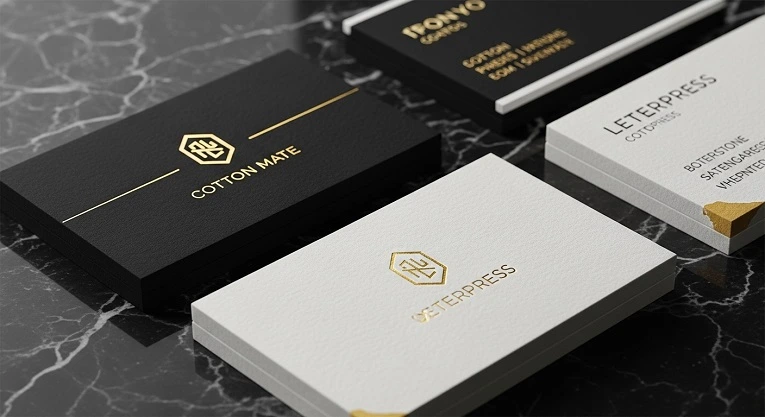
Embossed business cards create raised textures that feel refined. Foil-stamped business cards add metallic shine, often in gold or silver. Letterpress business cards provide deep impressions that feel handcrafted.
Customization
Designer business cards often feature custom sizes, die-cut shapes, or edge-painted details. These small elements transform a simple card into a statement piece.
Popular Types of Luxury Business Cards
Several types of luxury business cards dominate the premium market.
Letterpress Business Cards
Letterpress uses deep impressions pressed into thick cotton paper. This technique delivers a timeless, executive look.
Foil Stamped Business Cards
Luxury business cards with gold foil are especially popular among executives and real estate professionals. The metallic detail adds elegance and visibility.
Embossed Business Cards
Embossing raises certain elements like logos or names, creating a tactile effect.
Metal Business Cards
Metal business cards are ultra-durable and bold. They are often used in high-end industries and networking events.
Edge Painted Business Cards
Edge-painted business cards feature colored edges that create contrast and visual depth.
Soft Touch Laminated Cards
Soft touch finishes add a velvet-like texture that feels smooth and premium.
Best Materials for High-End Business Cards
Material selection defines the overall quality of custom luxury business cards.
Cotton
Thick cotton business cards are popular for letterpress printing because they absorb impressions beautifully.
Linen
Linen adds subtle texture and sophistication.
Silk
Premium matte finish business cards often use silk lamination for a sleek look.
Metal and Acrylic
Metal business cards and acrylic versions create a modern, innovative appearance.
Choosing high-quality business card materials ensures durability and impact.
Design Elements That Elevate Luxury Cards
Matching the Card to the First Impression You Want
A card also carries your employer branding for small business, so the design should match how you want staff and clients to see you.
A luxury card works best when it is designed with a specific first impression in mind, rather than simply collecting as many premium features as possible. Start with the recipient: a card handed to a fellow executive at a formal meeting creates a different impression from one given to a creative director at an industry event. The first may call for restraint, with classic typography and a subtle finish, while the second may allow more personality, such as an unusual shape or a bold edge colour. Neither is better in itself. What matters is whether the card fits the person receiving it and the context in which they receive it.
Next, think about what the card should say about your brand. A law firm may want a card that feels established and trustworthy, with a heavy stock and a quiet, confident design, while a design studio may want a card that shows creativity, with an unexpected texture or a clever use of space. The card is a small piece of your brand that people carry away with them, so it should feel consistent with your website, your office and the way you present yourself in person. It also helps to choose one feature to stand out: a card with a single strong feature, such as a beautifully executed letterpress impression on thick cotton stock, often feels more luxurious than one that tries to do everything at once. Finally, consider how the card will age, and ask the printer how the chosen finish holds up in everyday use.
Luxury business card design ideas focus on minimalism and clarity.
• Clean typography
• Ample white space
• Black luxury business cards with gold accents
• Simple logos
• Strategic placement of contact details
Executive business cards often use bold fonts and understated color palettes to reflect authority.
Luxury Business Cards for Different Industries
Real Estate
Luxury business cards for real estate agents often use gold foil, embossed logos, and thick stock.
Law Firms
Luxury business cards for lawyers typically feature classic typography, neutral tones, and subtle embossing.
Corporate Executives
Best luxury business cards for executives prioritize minimalism and premium finishes.
Creative Professionals
Unique luxury business cards with die-cut shapes or edge painting work well in creative industries.
Cost of Luxury Business Cards
Pricing depends on several factors:
• Material quality
• Printing technique
• Quantity
• Customization level
Custom luxury business card printing can range from moderate to high investment, depending on design complexity. Minimum order quantities also influence pricing.
ROI of Premium Business Cards
The return on investment of premium business cards is often underestimated.
Luxury business cards enhance perceived value. When clients associate your brand with quality, trust increases. This can lead to higher conversion rates and stronger brand recall.
The tactile branding experience also improves memorability compared to standard cards.
How to Choose the Right Printing Company
Proofing and Ordering: Getting the Details Right
Luxury cards are not cheap to print, so mistakes are costly. A misspelled name, a wrong phone number, or a colour that does not match your brand can turn an expensive order into waste. Start by checking every detail on the proof, not only the design. Read the name, job title, phone number, email address and website address character by character, and ask someone else to check them too, since it is easy to miss an error in your own details. Check that the logo is the correct version, that the colours match your brand, and that nothing is cut off at the edges. If the proof is digital, ask for a physical proof when the finish matters, since foil, embossing and soft touch laminates cannot be judged properly on a screen.
Pay attention to the paper as well as the print. Ask for a sample of the exact stock you will be ordering, and hold it alongside the proof, checking the thickness, the texture and the colour of the paper itself. When you are ready to order, consider a smaller first run if you are trying a new printer or a new design, so you can check the quality in person before committing to a large quantity. Keep a few cards aside from each order as a reference for future reprints, and note the exact stock, finish and printer used, so reordering stays straightforward and your cards stay consistent over time.
Look for:
• Sample kits
• Portfolio examples
• Transparent pricing
• Customization options
• Strong customer reviews
Reliable printers specializing in high-end business cards understand detail and craftsmanship.
Common Mistakes to Avoid
Using Luxury Cards Well at Events and Meetings
A luxury card is a tool, and like any tool it works best when it is used well. Timing matters more than most people realise. Offering a card at the start of a conversation can feel transactional, as though you are more interested in being remembered than in listening. It usually works better to have a real conversation first, and to offer the card naturally towards the end, when there is a reason to stay in touch. If the other person offers their card first, accept it graciously and take a moment to look at it before putting it away, since that small gesture shows respect.
How you carry and present the card matters too. Keep your cards in a proper case, not loose in a pocket or a bag where they can bend or pick up marks, since a card that arrives creased or smudged undermines the impression you are trying to create. When you offer it, present it cleanly and with the design facing the recipient, so they can see it properly. After the event, follow up promptly: a short message referencing something from your conversation, sent within a day or two, turns a card into a connection. Finally, be selective. Save your cards for conversations where there is a genuine reason to stay in touch, since a luxury card given thoughtfully, to the right person at the right moment, is remembered far longer than one handed out indiscriminately.
• Overcrowded design
• Cheap paper with premium finish
• Excessive color combinations
• Ignoring brand identity
• Ordering without proofing
Luxury should feel intentional, not overwhelming.
Frequently Asked Questions
Are luxury business cards worth it?
Yes, especially in industries where first impressions matter.
What is the best material for luxury cards?
Cotton stock with letterpress or foil stamping is highly regarded.
How thick should luxury business cards be?
Generally, 28pt to 32pt or thicker for a premium feel.
Conclusion
Luxury business cards communicate confidence, credibility, and professionalism. By choosing premium materials, refined design, and high-quality printing, you create a memorable networking tool that strengthens your brand image.
Investing in luxury business cards is not just about aesthetics. It is about making a statement that reflects your expertise and standards.