A business that relies entirely on the owner’s personal credit is more fragile than it needs to be. Building a separate business credit profile protects your personal finances, and over time it opens up better loan terms, stronger supplier relationships and more negotiating power.
This guide covers how to build business credit in the UK, from registering correctly to the habits that steadily improve your score.
What Business Credit Actually Is
Business credit is a financial profile tied to your company rather than to you personally, tracked by credit reference agencies who assess how reliably your business pays its bills and manages its financial obligations. In the UK, this profile is largely, though not entirely, separate from your personal credit history.
Why It Is Worth Building Deliberately
A strong business credit profile makes it easier to secure loans and credit lines on favourable terms, gives suppliers confidence to offer trade credit, and reduces how often you need to rely on personal guarantees or your own credit history to support the business.
Step 1: Register Your Business Properly
Registering your limited company with Companies House, and ensuring your details are also correctly recorded with HMRC (see our HMRC business tax account guide), creates the legal identity that credit reference agencies track. Sole traders generally find it harder to build a fully separate credit profile, since limited company status creates a clearer legal distinction between owner and business.
Step 2: Open a Dedicated Business Bank Account
Keeping business transactions entirely separate from personal spending, through a dedicated business bank account, builds a track record that credit reference agencies and lenders can assess on its own merits.
Step 3: Set Up Your Credit File With the Main UK Agencies
The three main business credit reference agencies in the UK are Experian, Equifax and Creditsafe. Checking your profile with each is worthwhile, since they draw on different data sources and can show a slightly different picture of your business.
Step 4: Apply for a Business Credit Card
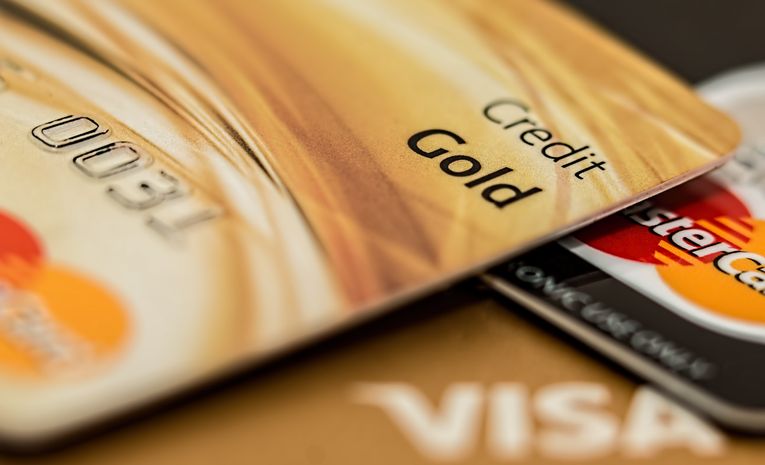
A business credit card used responsibly, kept well within its limit and paid off on time, is one of the more straightforward ways to start building a visible payment history in your company’s name.
Step 5: Establish Trade Credit With Suppliers
Working with suppliers who offer payment terms, and consistently paying within those terms, builds a trade credit history that strengthens your overall profile. Diversifying across a few different trade accounts, rather than relying on just one, tends to build a broader, stronger picture over time. A business credit card can also play a useful role here alongside trade accounts.
Keeping Your Credit Profile Accurate and Healthy
File Full Accounts Where Possible
Submitting full accounts to Companies House, rather than only the minimum required abbreviated or micro-entity accounts, gives credit reference agencies a clearer picture of your financial stability, which can support a stronger score.
Keep Your Details Consistent Across Records
Mismatched details between Companies House, HMRC and your credit reference agency records, such as an outdated address or director information, can create inconsistencies that quietly affect your score. Reviewing this periodically is worth the small amount of time it takes.
Check Your Reports Regularly
Reviewing your business credit reports at least a few times a year lets you catch errors, unauthorised entries, or outdated information before they affect a lender’s decision.
Comparing the Main UK Business Credit Building Steps
| Step | What It Establishes | Typical Timeframe |
|---|---|---|
| Companies House registration | Legal business identity | Immediate, at incorporation |
| Business bank account | Separated financial history | Ongoing from account opening |
| Credit reference agency file | Trackable credit profile | Builds over several months |
| Business credit card | Visible payment history | Several months of consistent use |
| Trade credit accounts | Supplier payment history | Builds with each payment cycle |
Common Mistakes That Slow Down Business Credit
- Mixing personal and business spending through a shared account
- Only filing the minimum required accounts, limiting what agencies can assess
- Letting Companies House or HMRC records fall out of date
- Relying on a single supplier or credit line rather than diversifying
- Missing payments, even occasionally, which can outweigh months of good history
Frequently Asked Questions
How long does it take to build business credit in the UK?
Timelines vary, but many businesses begin to see a meaningful credit profile develop over several months of consistent registration, banking activity and payment history, with stronger profiles typically taking a year or more.
Do sole traders have business credit separate from personal credit?
Not fully. Since sole traders are not a separate legal entity, lenders typically tie borrowing activity closely to the individual’s personal credit rather than a fully independent business profile.
Which business credit reference agency matters most in the UK?
There is no single most important agency. Experian, Equifax and Creditsafe each use different data sources, so checking your profile with more than one gives a more complete picture.
Can a director’s personal credit still affect a limited company?
Yes, in some cases. Lenders may still review a director’s personal credit, particularly for newer businesses with limited trading history or where a personal guarantee is required.
Final Thoughts
Building business credit in the UK is a gradual, cumulative process rather than a single action. Registering correctly, separating your finances, using credit responsibly and keeping your records accurate across Companies House, HMRC and the credit reference agencies steadily builds a profile that gives your business more options when it needs financing or better supplier terms.