Industry research consistently puts average online cart abandonment somewhere around seventy percent, meaning roughly seven out of every ten shoppers who add something to their cart leave without buying it. That is not random behaviour. It is almost always driven by friction somewhere between adding an item and completing payment.
This guide covers the most common causes of cart abandonment and the practical fixes that reduce it, without requiring a full platform rebuild.
What Cart Abandonment Actually Costs Your Store
Reducing cart abandonment by even a third is roughly equivalent to growing your customer base by nearly a quarter, without spending anything extra on acquisition. Recovering abandoned carts is almost always cheaper than acquiring new customers to replace the lost sales.
Why Shoppers Abandon Their Carts
The most commonly cited reasons include unexpected costs appearing at checkout, being forced to create an account, a checkout process that takes too long, concerns about payment security, and a lack of trust in delivery times or return policies. Understanding which of these applies most to your store is the first step toward fixing it.
Simplify the Checkout Process
Offer Guest Checkout
Forcing account creation before purchase is one of the most consistently cited reasons for abandonment. Allowing customers to check out as a guest removes a significant point of friction, particularly for first-time buyers.
Reduce the Number of Steps and Form Fields
Every additional step or unnecessary form field increases the chance a shopper gives up. A visible progress indicator, showing how many steps remain, also reduces the sense of an open-ended process.
Optimise for Mobile Shoppers
With a large share of e-commerce traffic coming from mobile devices, a checkout that is not properly optimised for smaller screens creates friction that desktop testing alone will not reveal.
Be Transparent About Costs Early
Show Shipping Costs Before the Final Step
Unexpected shipping costs appearing only at the final step is one of the leading causes of abandonment. Displaying estimated shipping costs earlier in the shopping journey builds trust and reduces last-minute drop-off.
Clarify Your Return Policy
A clear, easy-to-find return policy reduces the perceived risk of a purchase, particularly for first-time customers who are still deciding whether to trust your store. See our guide on writing a returns and refund policy to get this right.
Build Trust at the Point of Payment
Offer Multiple Payment Options
Limiting checkout to a single payment method excludes shoppers who prefer a different option. Offering a mix of cards, digital wallets and buy-now-pay-later options reduces this specific point of drop-off.
Display Security Signals Clearly
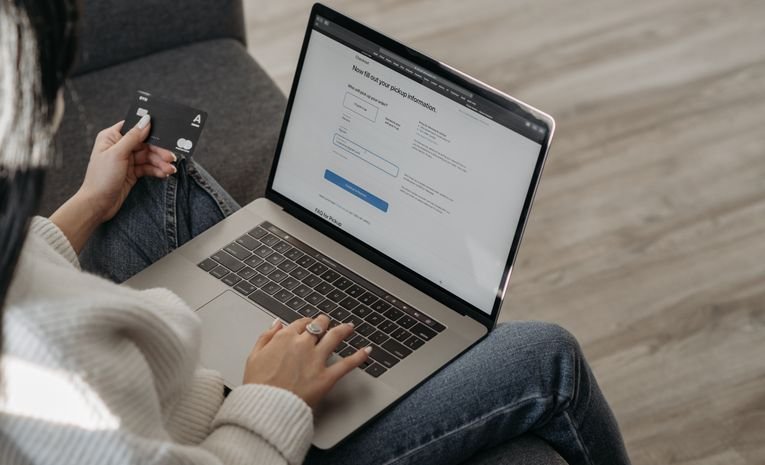
Visible trust badges, secure payment icons and clear encryption messaging near the payment fields reduce hesitation, particularly among shoppers who are new to your store.
Recover Carts That Are Already Abandoned
Send Timely Abandoned Cart Emails
A well-timed email reminding a shopper what they left behind, sent within a few hours of abandonment, recovers a meaningful share of otherwise lost sales.
Use Exit-Intent Offers
A pop-up offering a small incentive as a shopper is about to leave the checkout page can capture sales that would otherwise be lost entirely.
Consider SMS Reminders for High-Intent Shoppers
SMS messages tend to have significantly higher open rates than email, making them useful for time-sensitive reminders, provided they are used sparingly to avoid feeling intrusive.
Comparing Cart Abandonment Fixes
| Fix | Effort to Implement | Typical Impact | Best For |
|---|---|---|---|
| Guest checkout | Low to medium | High | Stores requiring account creation |
| Upfront shipping costs | Low | High | Stores with variable shipping fees |
| Mobile optimisation | Medium to high | High | Stores with significant mobile traffic |
| Abandoned cart emails | Low | Medium to high | Recovering already-lost sales |
| Multiple payment options | Medium | Medium | Diverse customer bases |
| Exit-intent offers | Low | Medium | Capturing last-moment hesitation |
How to Calculate Your Cart Abandonment Rate
Cart abandonment rate is calculated as one minus the number of completed purchases divided by the number of initiated checkouts, multiplied by one hundred. Tracking this figure over time, alongside where in the funnel shoppers drop off, helps identify which fix will have the biggest impact for your specific store.
Frequently Asked Questions
What is a normal cart abandonment rate for e-commerce?
Industry research puts the average around seventy percent, though this varies by sector, with some industries such as automotive seeing considerably higher rates.
What is the single most effective fix for cart abandonment?
There is no universal answer, but displaying shipping costs earlier and offering guest checkout are among the most consistently cited high-impact, low-effort fixes.
Do abandoned cart emails actually work?
Yes. A timely, well-written abandoned cart email recovers a meaningful percentage of otherwise lost sales, particularly when sent within a few hours of abandonment.
Is cart abandonment ever unavoidable?
Some abandonment is inevitable, since many shoppers use carts to compare prices or save items for later without immediate purchase intent. The goal is reducing avoidable friction, not eliminating abandonment entirely.
Final Thoughts
Reducing cart abandonment rarely requires a complete checkout rebuild. It usually comes from removing a handful of specific friction points: forced account creation, hidden costs, a confusing mobile experience, and a lack of follow-up once a cart is abandoned. Addressing even two or three of these consistently recovers meaningful revenue without requiring new customer acquisition spend.